
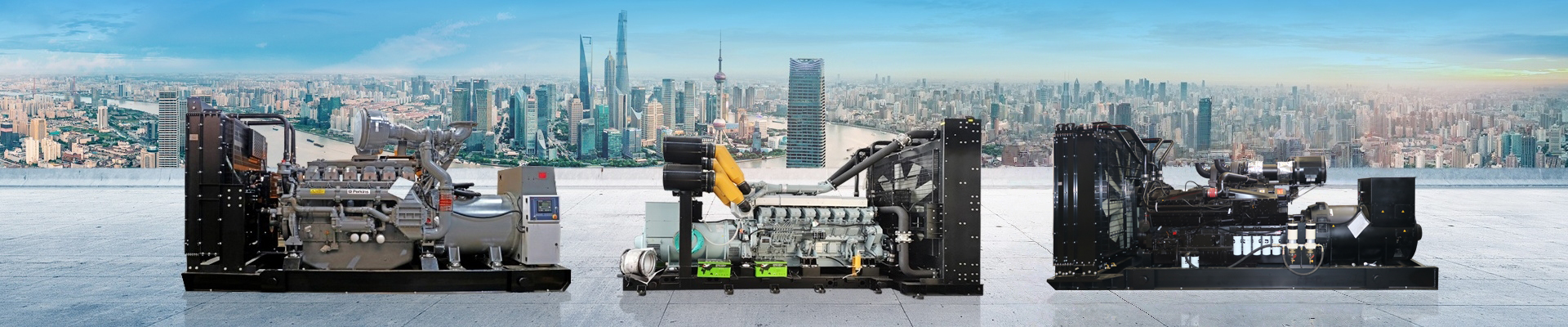
The production process of container diesel generator sets is far from simple assembly, but a complex process that integrates precision mechanical manufacturing, electrical engineering, and system integration. The core process can be summarized as the complete chain from core component processing to final assembly testing.
Production begins with precision machining of core components. The key components of the engine, such as the cylinder block, require high-precision casting to obtain blanks, which are then processed by a series of CNC machine tools such as boring, milling, and drilling to ensure extremely high dimensional accuracy. For example, the clearance between the piston and the cylinder wall needs to be controlled within a few percent of a millimeter. The manufacturing of the core components of the generator is equally crucial. The stator core is made of stacked silicon steel sheets, and the stator winding is made of high-purity copper wire and impregnated with insulation paint. The rotor must undergo dynamic balance testing and calibration after assembly to reduce vibration and noise.
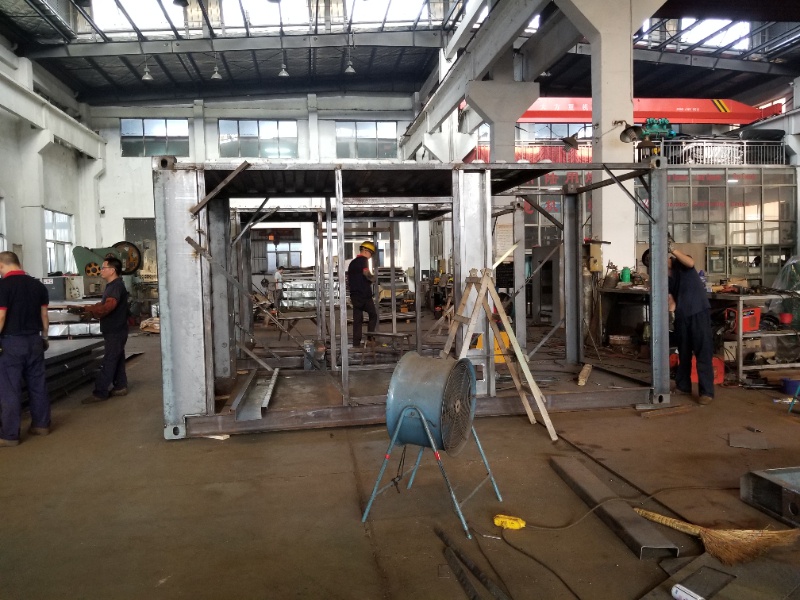
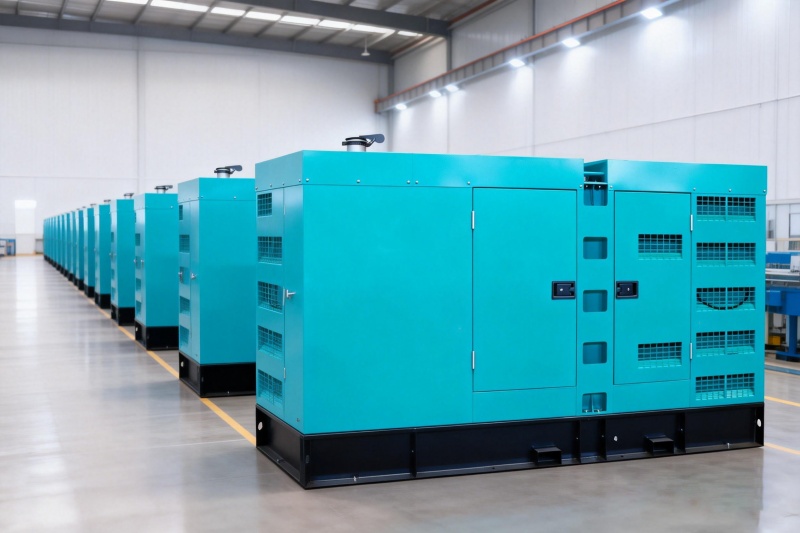
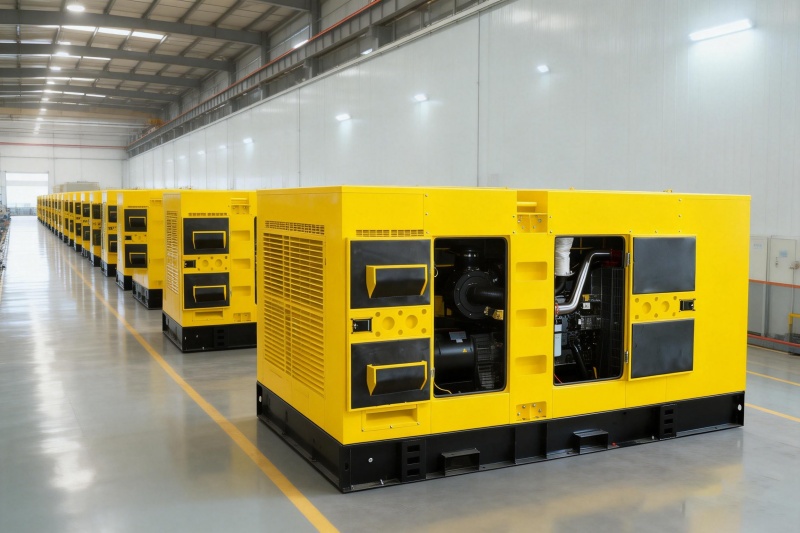
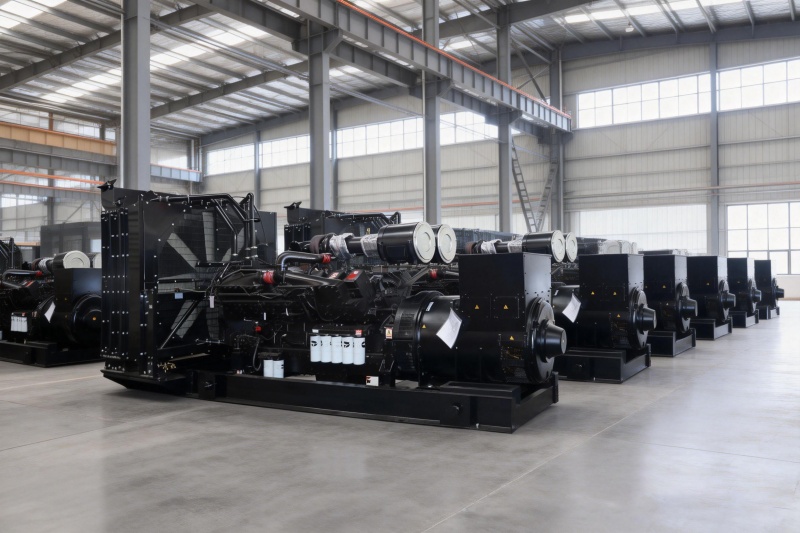
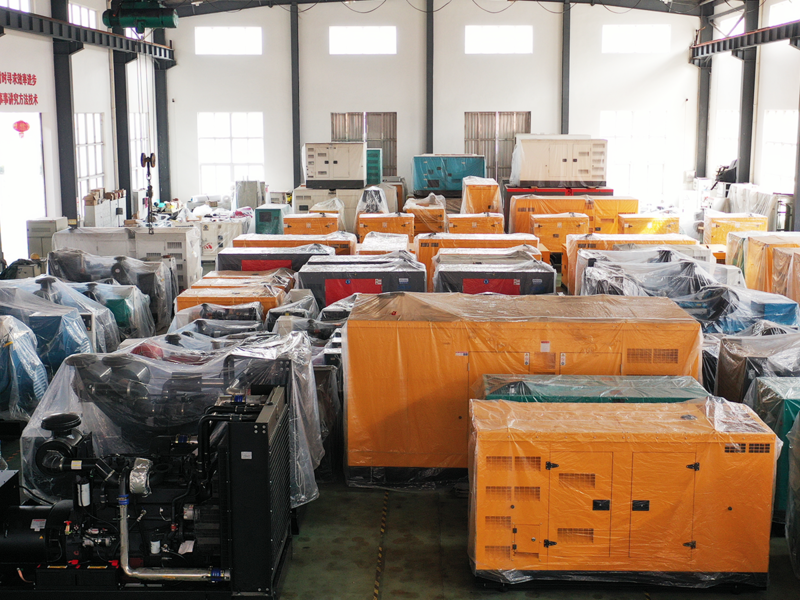
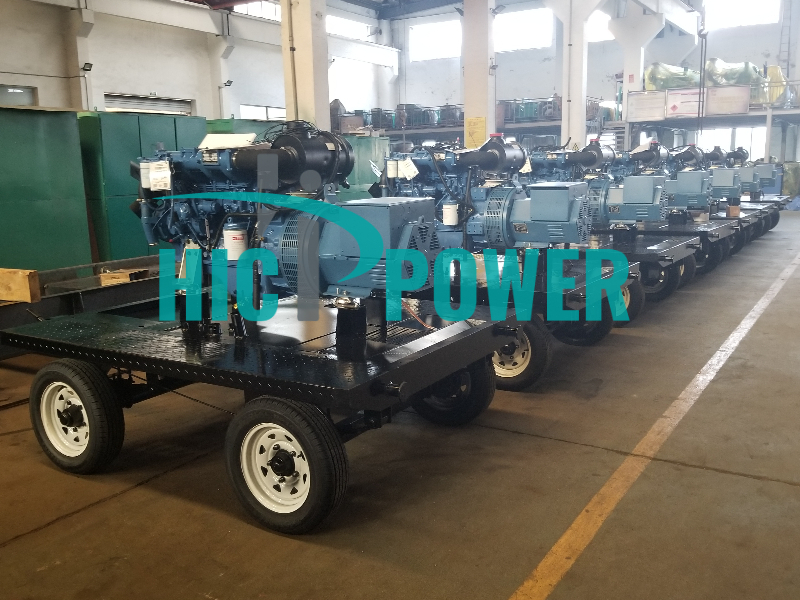
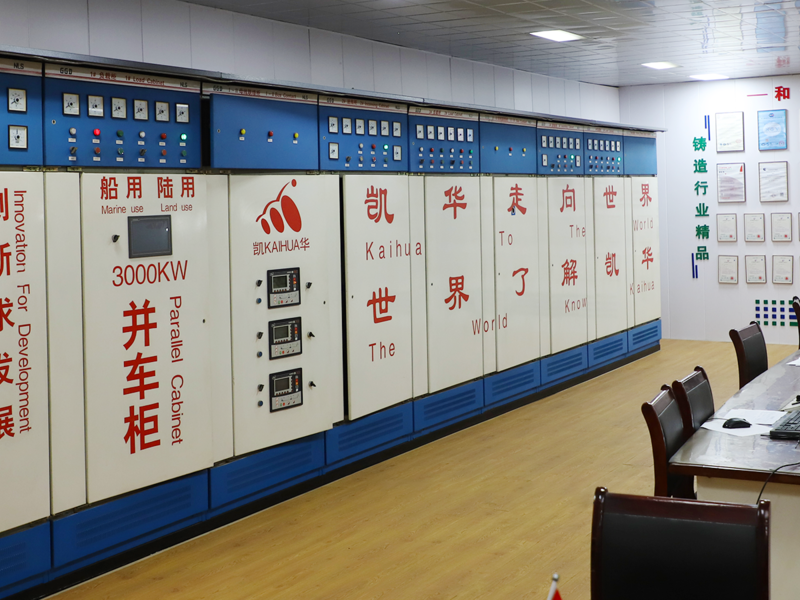
After the components are ready, enter the final assembly stage. The docking between the engine and the generator is a 'heart surgery', where they are connected through a high rigidity common base and connected using elastic couplings or direct flange connections. For containerized units, the production process also includes installing the assembled generator set body into a customized outdoor container, and integrating systems such as automatic oil supply, power distribution, noise reduction, fire warning, and parallel control platform internally, making it a modular backup power platform. The assembly process must follow strict procedures, including preparation work, component assembly, final assembly, and post assembly inspection and adjustment, to ensure the correct relative position and fit clearance of each component, and to conduct sealing tests.
The support for refined processes lies in the whole process quality control, which runs through the entire process from raw material inspection (IQC) to final product inspection (FQC). Advanced factories use equipment such as coordinate measuring instruments for testing. The assembled unit must undergo strict testing, including insulation inspection, start-up testing, automatic protection function testing, and continuous operation testing at rated power, to ensure its performance and reliability. Containerized units also require seismic analysis, usually using finite element modeling and other computational analysis methods to ensure the safety of their structure under seismic loads.
Leading manufacturing plants not only carry out production, but also continuously conduct research and development and improvement, such as optimizing turbocharger matching, cooling systems, or applying new technologies, to ensure that production processes and products can continue to iterate and maintain competitiveness.