




Production, Installation, Testing, and Delivery of Mobile Generator Sets
Mobile generator sets play a vital role in emergency power supply and field operations. Due to their flexibility and wide range of applications, they are extensively used in construction sites, emergency rescue, telecommunications support, and outdoor projects. From production to final delivery, every step must be strictly controlled to ensure stable performance and reliable operation.
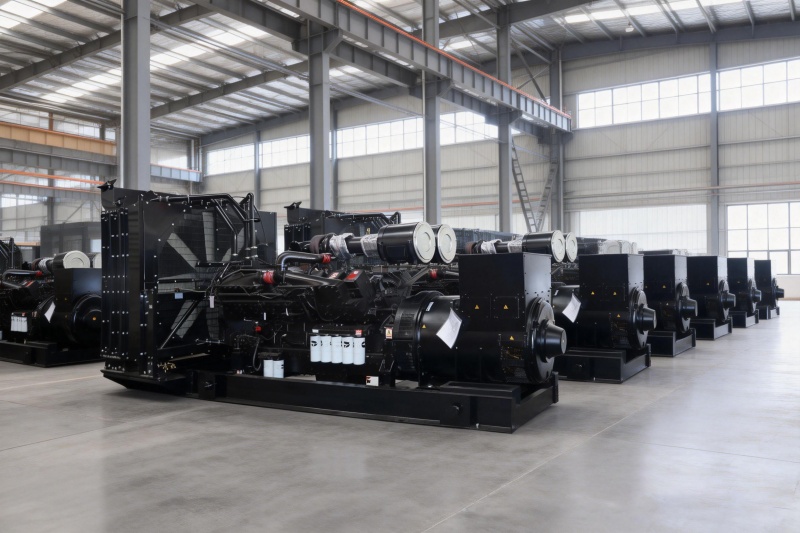
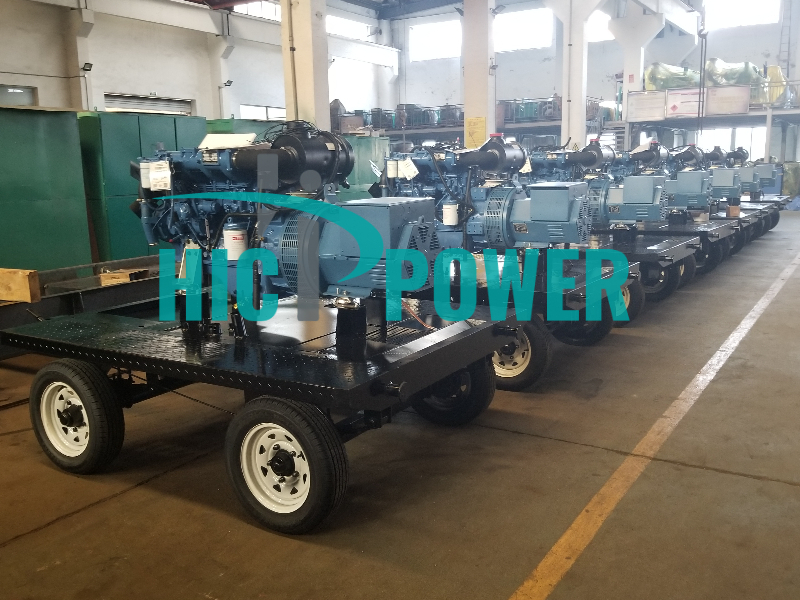
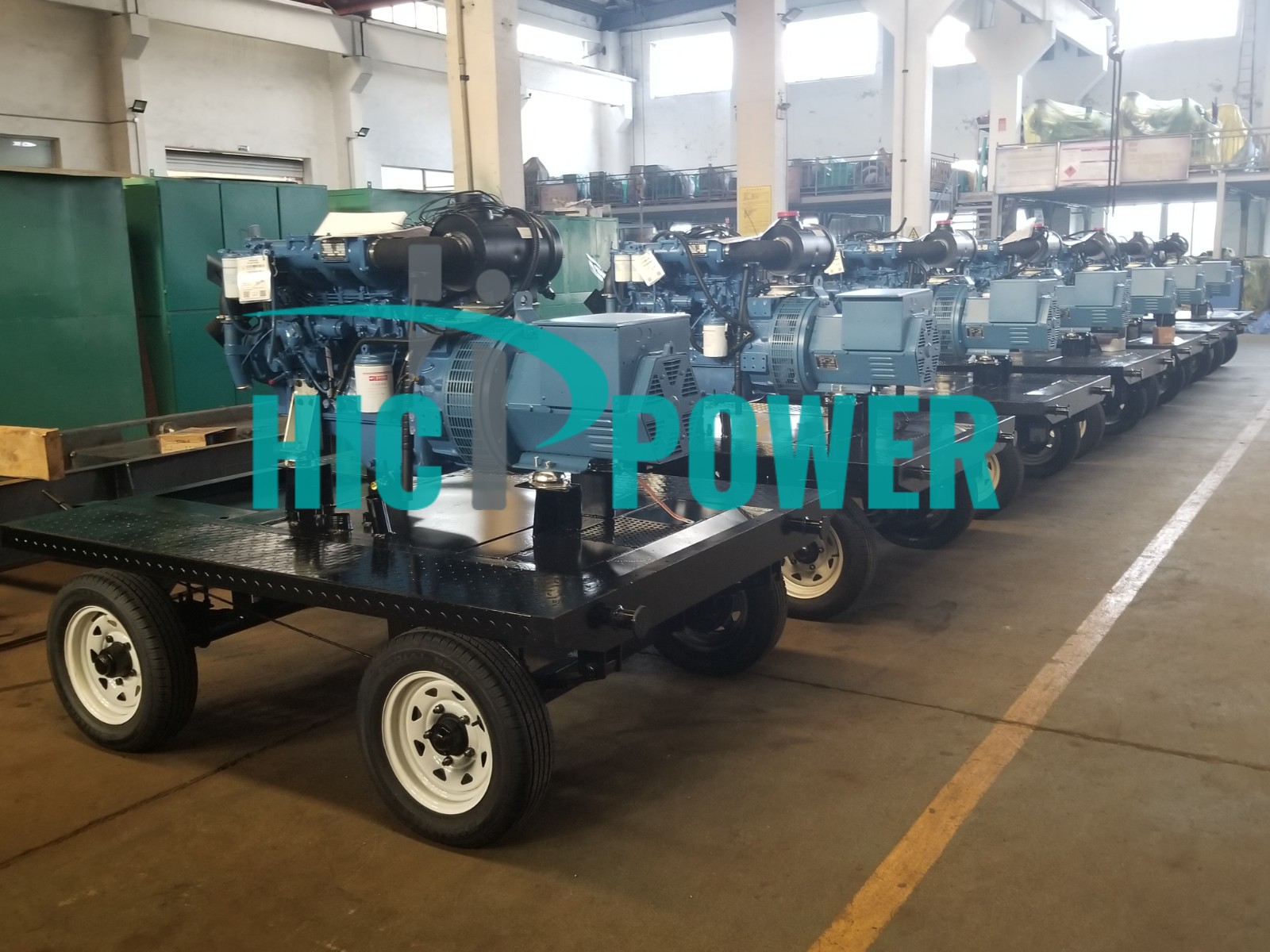
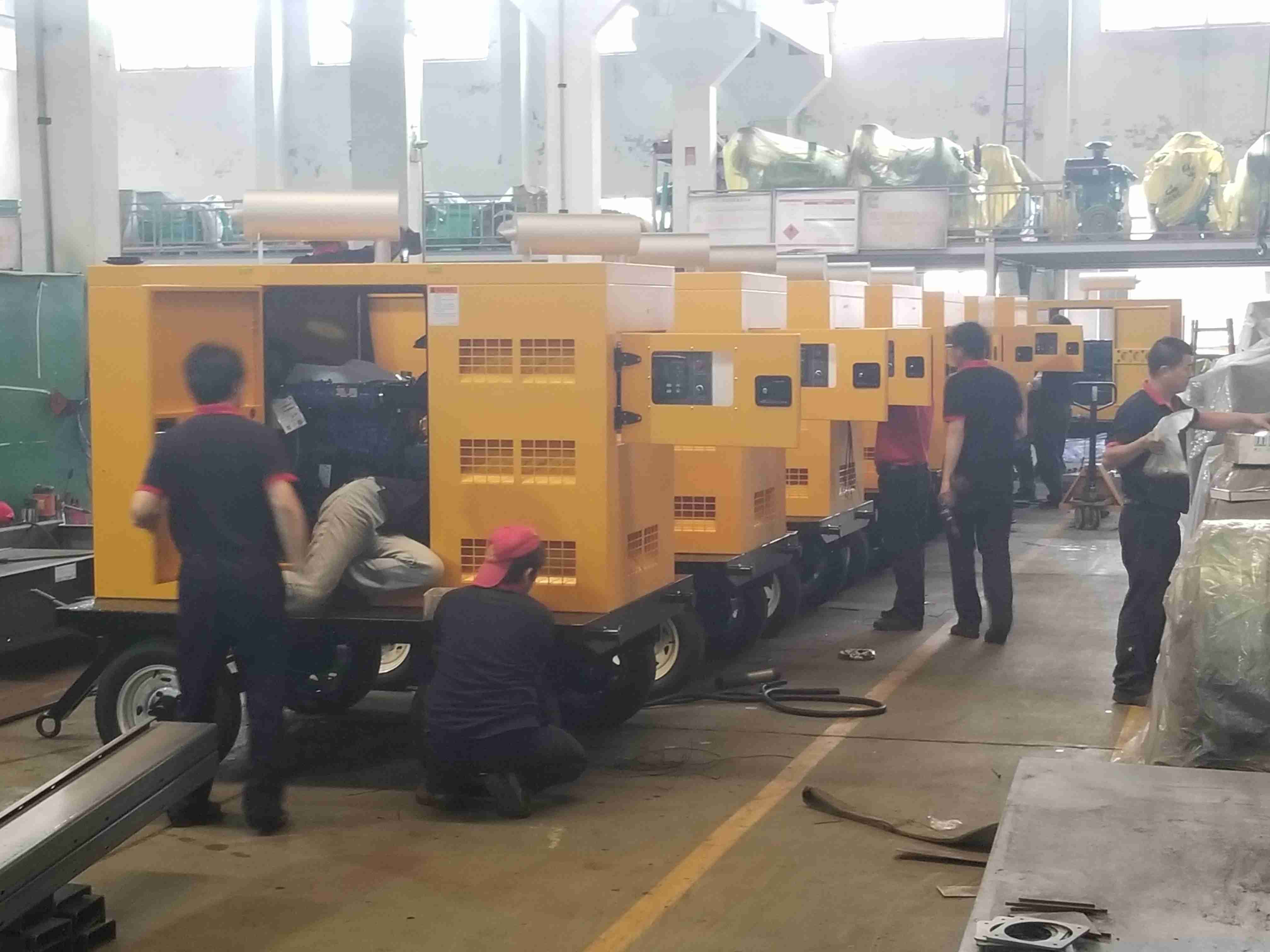
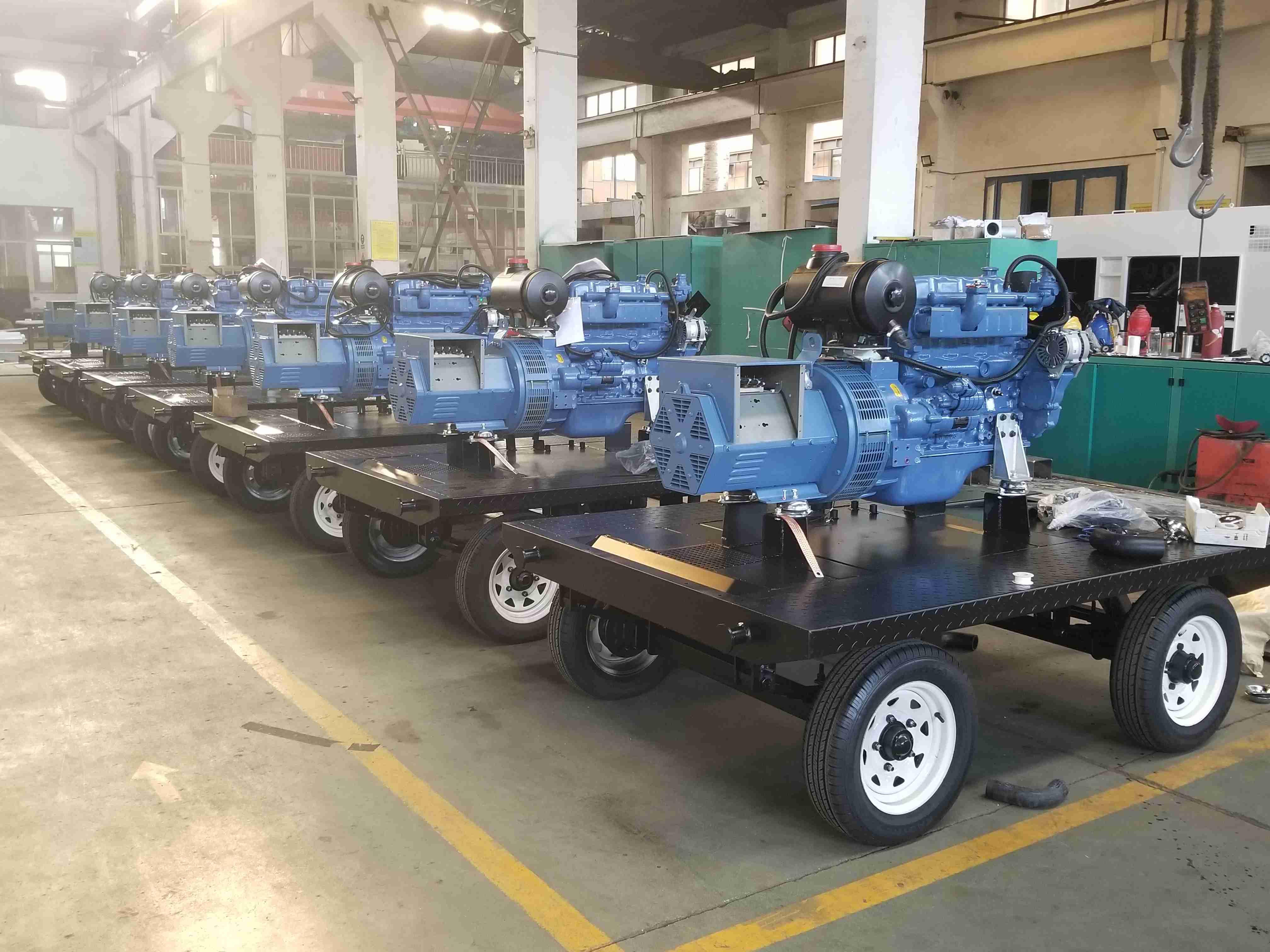
During the production stage, high standards are maintained throughout the manufacturing process. First, the configuration of the generator set is determined according to customer requirements, including the diesel engine, alternator brand, and power matching scheme. This is followed by the procurement and processing of components, where all key parts must comply with national and industry standards. In the assembly process, technicians strictly follow technical procedures to install the engine, alternator, control system, and chassis structure with precision. For mobile units, the trailer structure is especially important, requiring excellent stability and mobility, so particular attention is given to welding quality and structural strength.
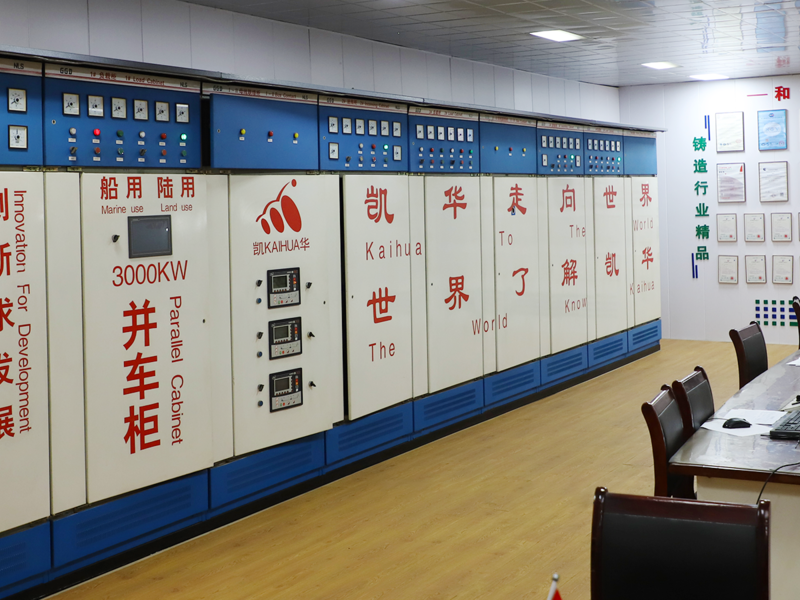
After the main assembly is completed, the unit enters the installation and commissioning stage. Technicians connect and inspect the fuel system, cooling system, and electrical system to ensure coordinated operation. The control system is a critical component; modern mobile generator sets are typically equipped with intelligent control modules that enable automatic start, fault alarms, and remote monitoring. Wiring layout is also carefully optimized to ensure safety, neatness, and ease of maintenance.
Testing is a crucial step to guarantee product quality. Every mobile generator set must undergo strict testing before leaving the factory, including no-load testing, load testing, and long-duration operation tests. During load testing, various power demand scenarios are simulated to evaluate voltage stability, frequency fluctuation, and output capacity. In addition, noise levels, fuel consumption, and emissions are assessed to ensure compliance with environmental and operational standards. Multiple startup tests are also conducted to ensure the unit can respond quickly in emergency situations.
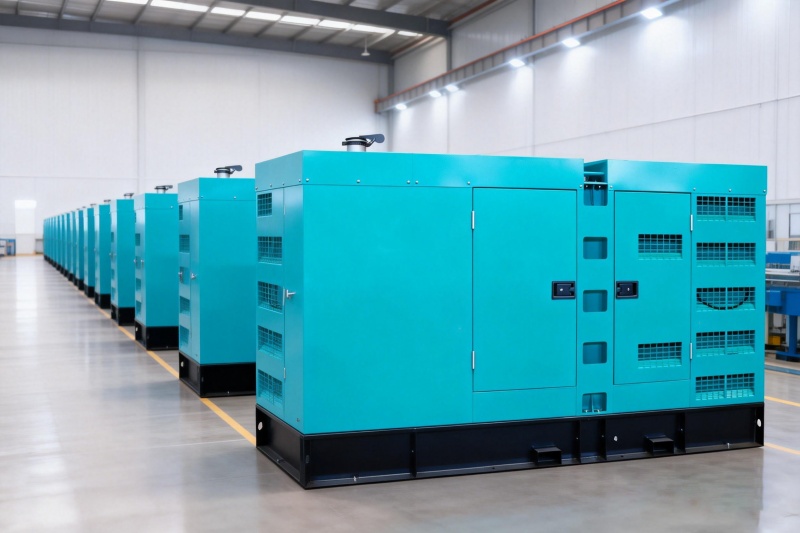
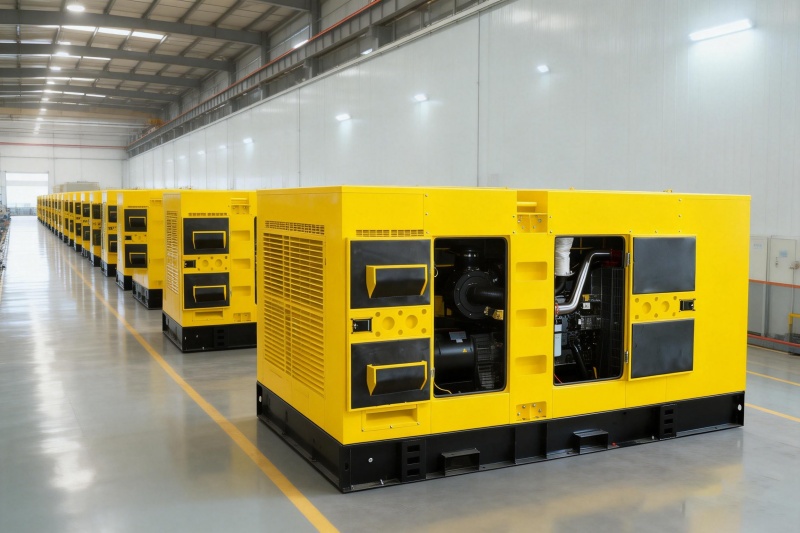
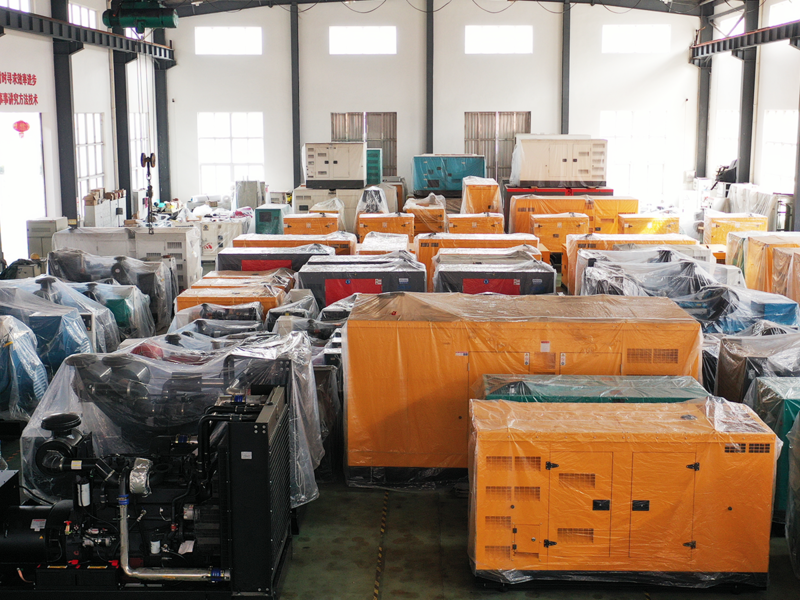
Once all tests are successfully completed, the generator set enters the delivery preparation stage. The unit is thoroughly cleaned, and key components are protected with anti-rust and anti-vibration measures. Mobile generator sets are often equipped with weatherproof or soundproof enclosures, and proper securing measures are taken during transportation to prevent damage from vibration. Operation manuals, certificates of conformity, and technical documents are included to ensure smooth installation and use by the customer.
Finally, a pre-shipment inspection is carried out to confirm that the unit is in perfect condition and all accessories are complete. Transportation methods and delivery schedules are coordinated with the customer to ensure timely and safe arrival at the project site.
In conclusion, the entire process—from production to delivery—of mobile generator sets is a systematic project integrating technology, quality control, and service. Only by maintaining excellence at every stage can manufacturers provide high-quality and reliable power solutions to meet the evolving needs of the market.