



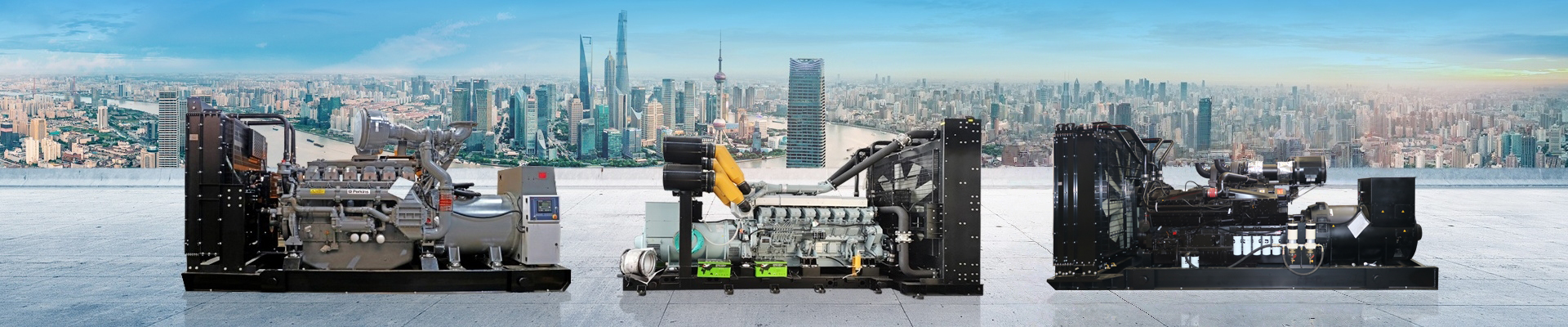
Power outages are more than just an inconvenience—for businesses, they mean lost revenue, and for critical facilities, they can be life-threatening. When it comes to reliable backup power, diesel generator sets (gensets) remain the gold standard.
However, walking into the market without a plan can lead to overspending on a massive unit or, worse, buying an underpowered generator that fails when you need it most. Here is a step-by-step guide to choosing the perfect diesel generator for your needs.
1. Understand Your Power Requirements (kW vs. kVA)
The most critical step is determining the size of the generator. Generators are rated in Kilowatts (kW) and Kilo-Volt-Amperes (kVA).
kW (Active Power): The actual power that performs the work.
kVA (Apparent Power): The total power used by the system (including reactive power).
To find the right size, list all the equipment you need to power simultaneously. Distinguish between running watts (power needed to keep equipment going) and starting watts (the surge of power needed when electric motors turn on). Your generator must be able to handle the peak starting loads.
2. Standby vs. Prime Power: What’s Your Use Case?
Diesel generators are categorized based on their intended operation:
Standby Generators: Designed to run temporarily during emergency power outages. They operate under a varying load and are ideal for offices, hospitals, and homes.
Prime Power Generators: Built to act as the primary source of power where there is no grid utility. They can run for extended periods under a variable load, common in mining, construction, or remote oil rigs.
3. Key Features to Look For
When comparing different diesel generator brands and models, pay close attention to these components:
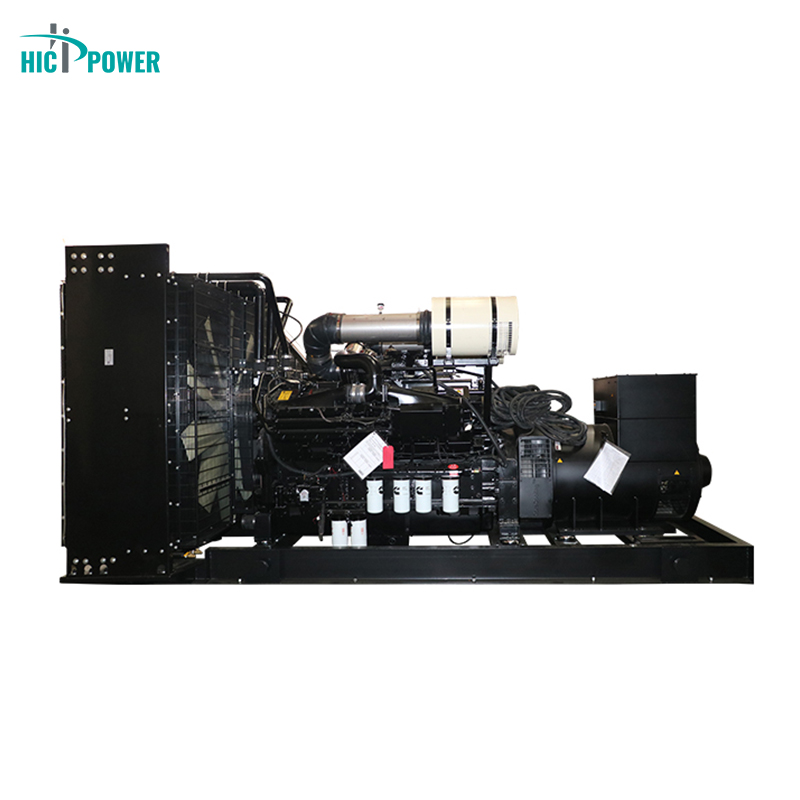
The Engine: The heart of the genset. Opt for reputable brands (like Cummins, Perkins, or Caterpillar) to ensure parts and service are readily available.
Alternator Quality: Look for brushless alternators with automatic voltage regulation (AVR) to ensure clean, stable power that won't damage sensitive electronics.
Cooling Systems: Ensure the generator has an adequate water-cooled or air-cooled system suitable for your local climate.
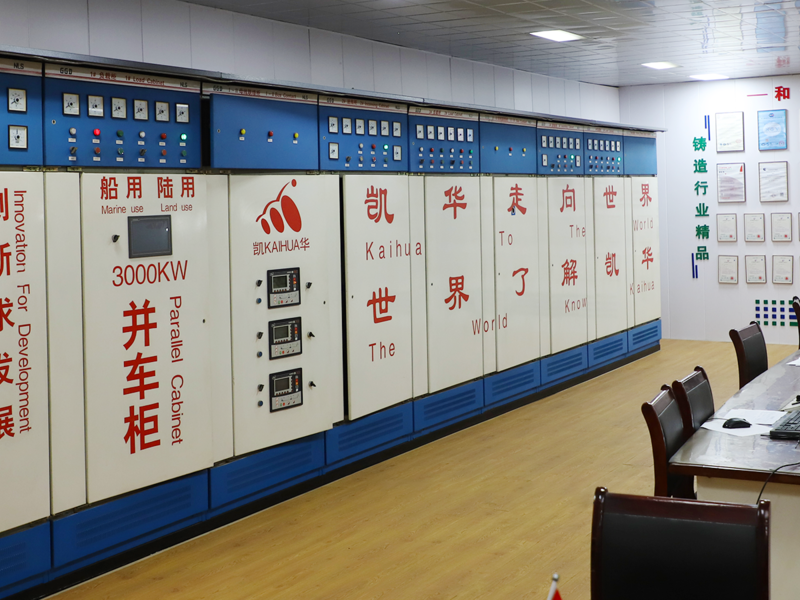
Control Panel: Modern digital control panels allow for remote monitoring, automatic start/stop, and safety shutdowns for low oil pressure or high temperatures.
Conclusion
Investing in a diesel generator set is an investment in peace of mind. By accurately calculating your load requirements and choosing a configuration tailored to your specific application, you ensure uninterrupted productivity no matter what happens to the grid.